

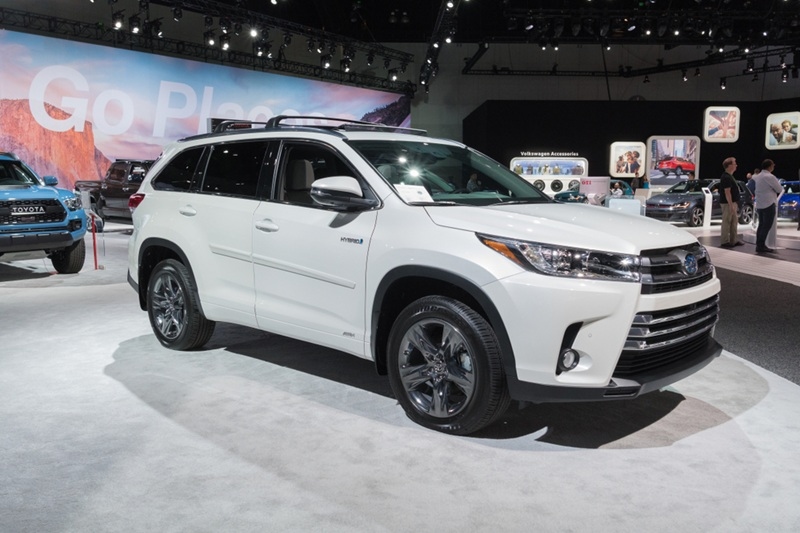
The phrase “family EV” usually triggers two reactions. One person gets excited about skipping gas stations forever. The other immediately thinks, “Okay, but will it actually work on a busy week?” That is the real question, and it is exactly why the 2027 Toyota Highlander EV is getting so much attention.
This is not a small city runabout pretending to be practical. It is Toyota aiming straight at the everyday reality: school drop-offs, grocery runs, weekend sports, airport drives, and those long highway stretches where you just want the car to feel calm and capable. The idea is simple. Take a familiar nameplate, give it an electric heart, and make it feel normal to own.
Still, “normal” is doing a lot of work here. EV life comes with new habits, new decisions, and a few new worries. Range anxiety. Charging access. Winter efficiency. App glitches. The whole package.
So let’s treat this like a true first look. No hype. No panic. Just what a curious buyer should know, what to watch for, and how to think about it like a real human being with a real calendar.
At a glance, 2027 Toyota Highlander EV signals a shift in how mainstream EVs are being marketed. Instead of creating a brand-new electric name and hoping people attach emotion to it, Toyota is leaning on a vehicle families already recognize. That matters. Familiarity lowers the mental barrier.
The bigger deal is what the Highlander shape implies: three rows, family-focused storage, and comfort that supports long drives. That puts it in the conversation with other large electric crossovers, but with a more established “I know what this is” vibe.
The best way to read this model is as a practical EV, not a futuristic statement. The cabin tech is there, sure, but the promise is everyday usability.
And yes, people are already asking the same two things: what is the range, and how does charging work when life gets messy.
Toyota has been careful and sometimes slow with fully electric rollouts. That has frustrated some buyers and reassured others. With this launch, Toyota is clearly saying it is ready to play harder in the family EV space.
The Toyota electric SUV 2027 positioning is important because it suggests the brand is aiming for a broader, less tech-obsessed customer. Families who want the EV benefits but do not want their car to feel like a complicated science project.
There is also a quiet truth here: three-row vehicles are where convenience gets tested. If an EV can handle family chaos, it can handle almost anything.
So the goal is clear. Give families a real option that feels stable, familiar, and built for long-term ownership.
Here is what buyers care about most, and it is not the buzzwords. It is the basics.
The Highlander EV specs and range conversation will likely center on battery choices, drivetrain options, and how the vehicle behaves in daily use. Many EVs look great on paper and then feel less impressive when the weather turns or the highway miles pile up.
This model is expected to land in the sweet spot for family EV needs: enough range for normal weeks, plus charging speed that makes road trips realistic. If an EV is going to be a real family car, it has to support spontaneous decisions, not just planned ones.
The other key detail is how the driving experience is tuned. A family SUV does not need to feel aggressive. It needs to feel confident. Smooth acceleration, stable handling, quiet cabin, and braking that does not make everyone carsick.
If those fundamentals are right, the numbers become less scary.
Many people see a third row and assume it is usable. Then they sit back there for five minutes and change their mind.
That is why the three-row electric SUV 2027 category is tricky. It has to balance passenger comfort with battery packaging. If the third row is only for emergencies, families will treat it that way. If it is genuinely usable for kids and teens, it becomes a real daily tool.
This is where the Highlander brand has an advantage. Buyers already expect a certain practicality level. So if Toyota delivers legit third-row access, decent legroom for younger passengers, and smart storage behind the third row, it will feel like a “real Highlander,” just electric.
And if the third row folds flat cleanly, even better. People love flexibility more than they admit.
A family EV purchase usually turns into a home-charging conversation within about two minutes. It should. Home charging is what makes EV ownership feel easy.
For daily driving, a basic plan works well: charge at night, start the day full, and treat public chargers as backup, not your main routine. That mindset keeps stress low.
But road trips are different. You want the charging process to feel simple and predictable. The best scenario is a vehicle that charges quickly and connects smoothly with a large charging network.
This is where the Toyota EV family SUV idea becomes meaningful. Toyota is not selling an EV to hobbyists. It is selling an EV to people who do not want their weekend ruined by charger drama.
A smart approach is to think in habits:
That is the difference between “EV life is annoying” and “EV life is fine.”
Check Out: Essential Summer Car Care Tips to Keep Your Car Cool
People get nervous when they hear “first generation of a new EV.” Fair. But Toyota buyers tend to care about long-term value, reliability reputation, and resale. Those factors often matter more than getting the cheapest sticker price.
If the trims are structured well, buyers will choose based on lifestyle:
A helpful question is: what do you actually use every day? Heated seats, driver assists, bigger screens, better audio, more charging ports. Those small things are what make a family vehicle feel good after the “new car feeling” fades.
Everyone wants a clean answer, and the market rarely gives one. The electric Highlander release date will matter, but so will availability, regional distribution, and how quickly trims and colors become easy to find.
Families should also think about timing in a practical way:
The best EV ownership experiences happen when the charging setup is ready before the car arrives. Otherwise, people blame the vehicle for a problem that was always a home infrastructure issue.
Early models can be great, but buyers should still watch for a few common “new EV” areas:
And here is the honest truth: most people decide if they love a car based on how it feels during an ordinary Tuesday, not a test drive on a sunny day. That is why a family-focused EV has to feel calm and reliable, not just impressive.
Read More: 10 Vehicles That Stood Apart From Automotive Industry Trends
If someone has been waiting for an electric SUV that feels less experimental and more “real life,” this could be a strong option.
The 2027 Toyota Highlander EV idea is not just about going electric. It is about making the switch feel normal. A familiar vehicle shape. Family-friendly space. Range that supports real routines. Charging that does not feel like a battle.
And that is the real win, if Toyota executes it well.
Before buying, a smart shopper will do three things:
If those boxes are checked, the transition becomes way less intimidating.
Also, for anyone wondering if Toyota is serious about this segment: calling it the Toyota electric SUV 2027 effort is basically Toyota saying, “Yes, we are here now.”
The biggest difference is the focus on familiarity and family practicality. The Toyota EV family SUV approach aims for everyday comfort, usable space, and a smoother switch from gas life.
For most families, yes, as long as road trips include planned charging stops. The Highlander EV specs and range focus is designed to make long drives realistic without constant anxiety.
The electric Highlander release date depends on rollout timing and region, but buyers should plan for a staged launch with some trims arriving sooner than others.
This content was created by AI