

The automotive industry usually moves in predictable directions. At different points, the focus shifts to fuel efficiency, electrification, digital dashboards, or driver assistance. These automotive industry trends influence what manufacturers build and how buyers are encouraged to choose. Most vehicles fall in line.
Some do not. And in many cases, that refusal is exactly why they succeed.
This article looks at ten vehicles that went against dominant automotive trends, explains why buyers still embraced them, and what this reveals about current automotive market trends. The aim is simple and practical. Explain what worked, why it mattered, and how these examples still apply today.
Not all buyers want the same result. Automotive industry market trends are built on averages, regulations, and scale. They rarely account for emotion, habit, or real-world use.
Vehicles that succeed while ignoring trends usually share a few traits:
When a vehicle knows what it is meant to do and sticks to that role, it builds trust. In a crowded market shaped by similar design and features, clarity becomes a competitive advantage.
Explore More: Compare Chevrolet Trax Trim Levels: Best Model to Buy
Not every successful vehicle is built by following charts, forecasts, or dominant automotive industry trends. Some cars win because they do the opposite. They commit to a single idea and stay there, even when automotive trends move elsewhere. The vehicles below did not chase mass appeal or fast-changing automotive market trends. Instead, they focused on purpose, identity, and long-term trust, which is why buyers kept choosing them despite shifting automotive industry market trends.
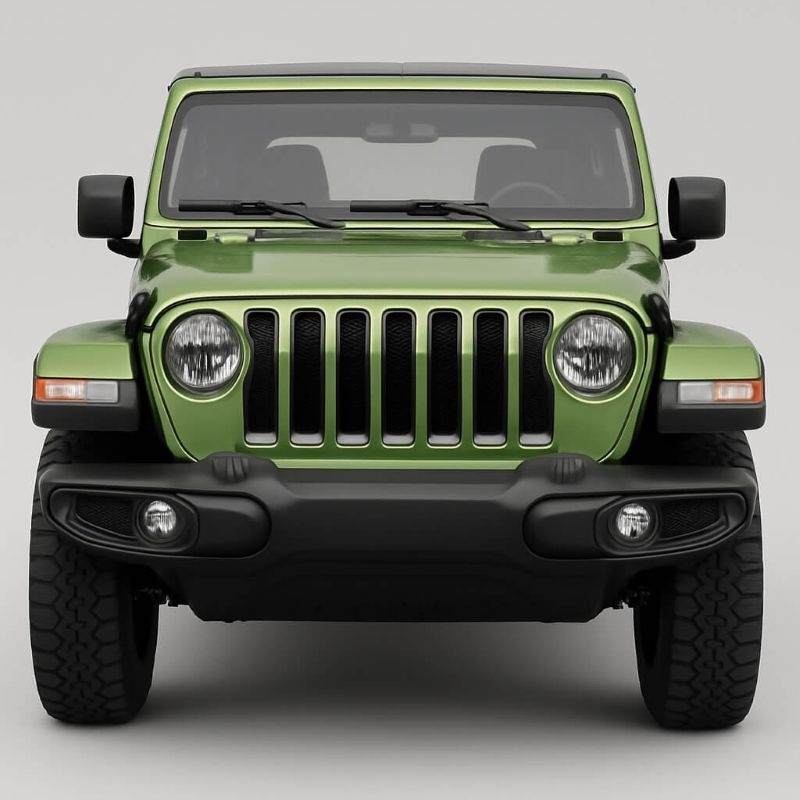
While most SUVs shifted toward comfort and urban driving, the Wrangler stayed boxy, loud, and mechanically focused.
Why it worked: Buyers never question its role. Even as automotive trends pushed crossovers, the Wrangler remained purpose-built.
Generic example: Someone who drives rough terrain values traction and durability more than screen size or cabin silence.
As vehicles grew heavier and more complex, the Miata stayed light, rear-wheel drive, and simple.
Why it worked: It delivers direct engagement, something missing from many automotive market trends today.
Generic explanation: Drivers who enjoy control and feedback prefer simplicity over automation.
Many manufacturers abandoned coupes entirely. The Mustang did not.
Why it worked: Identity and history matter. Even as automotive industry trends favored SUVs, the Mustang kept its performance image intact.
Generic example: Buyers often choose it for emotion and recognition, not practicality.
Most compact cars aim for efficiency and comfort. The Type R chose aggressive performance instead.
Why it worked: It served enthusiasts who felt ignored by safer automotive trends in the segment.
Generic explanation: Some drivers willingly trade comfort for sharper handling and speed.
High-horsepower SUVs run against efficiency-driven automotive industry market trends.
Why it worked: Dodge made no attempt to soften its message. Buyers knew they were choosing power over restraint.
Generic example: Families who want space and performance accept higher running costs.
Instead of pursuing turbo power or electric drive, these cars aimed at perfect balance.
The reason it was successful: Driver talent is still a crucial factor, notwithstanding the fact that technology is always showing up in the form of numbers.
A simplified view: Power that is less helps to support the process of learning and makes the drivers more involved.
Hand-built and traditional, with little interest in modern styling norms.
Why it worked: Some buyers value craftsmanship over technology. Ignoring trends automotive brands follow creates exclusivity.
Generic example: Mechanical watches remain desirable despite digital alternatives.
A V8-powered family vehicle made little commercial sense.
Why it worked: It challenged expectations and influenced later performance SUV thinking within automotive industry trends.
Generic explanation: Limited-run ideas can shape future segments.
While many SUVs became softer, the Land Cruiser remained heavy, capable, and expensive.
Why it worked: Reliability and trust outweigh fashion in many automotive market trends.
Generic example: Buyers in extreme conditions prioritize longevity over comfort features.
Naturally aspirated engines were fading fast. Chevrolet kept one.
Why it worked: Sound, response, and mechanical feel still matter despite shifting automotive industry market trends.
Generic explanation: Some drivers prefer raw performance over efficiency gains.
You may like: The Leapmotor T03 Review: Affordable Electric City Car
Looking at these vehicles together makes one thing clear. Automotive industry trends often describe where manufacturers are headed, not how people actually buy or use cars. Market forecasts, regulations, and technology roadmaps shape products at a high level, but real buyers make decisions based on trust, habit, emotion, and daily needs. The gap between strategy and behavior is where many of these vehicles found their advantage, even as broader automotive trends moved in a different direction.
Automotive industry trends focus on regulation, cost, and scale. Buyers focus on how a vehicle fits their life.
Key observations:
There is no single direction. Automotive market trends are made up of smaller, focused buyer groups.
This explains why:
Following every trends automotive forecast can weaken a product.
A stronger approach:
Generic example: A specialized tool outperforms a multi-use one for the right task.
More to Discover: Explore The Top 5 Car Models Everyone Is Leasing
Vehicles that resist automotive industry trends are not accidents. They are deliberate choices rooted in clarity and confidence. From lightweight sports cars to high-power SUVs, these examples show that success does not always come from following the crowd.
In a market shaped by shifting automotive trends, evolving automotive industry market trends, and diverse automotive market trends, knowing when to stand firm can be a long-term advantage.
Because they deliver a focused experience that mainstream vehicles no longer prioritize.
Partially. Automotive trends reflect averages, not individual preferences or niche needs.
Yes, unless the vehicle has a clear purpose and defined audience.
This content was created by AI