

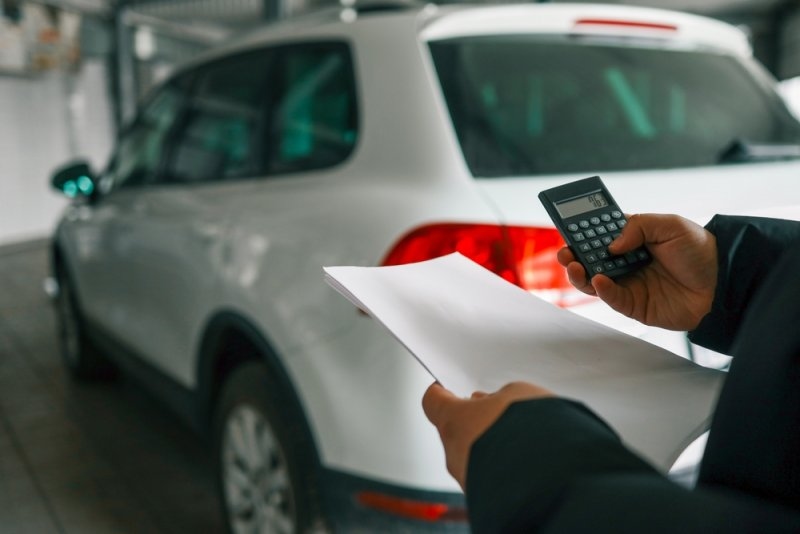
There’s excitement in buying a new car, but there can also be financial challenges if you're not well prepared. Many buyers focus their energies on finding the right car but fail to consider that the listed price may just be a suggestion. With the right approach, research, and a good deal of confidence, you can walk away knowing that you paid much less than the sticker price.
Successful car price negotiations start weeks or even days before you even walk into a dealership. The more you know, the more powerful your negotiating position. Do some research on the make and model of vehicle you want, compare pricing information from different dealerships, and also find out if the manufacturer has rebates or special financing plans available for the vehicle.
Most buyers who shop for a new car are completely ignorant of the market value of the car they want. This puts them at a major disadvantage because the dealer takes charge of the negotiation process. Knowing the price other dealers in your area have sold similar cars for will help you negotiate and judge whether the offer presented is competitive.
One question all car buyers are curious about is, "How much can you negotiate off MSRP?" The amount varies significantly depending on the specific car model, current inventory, the car’s popularity, and a number of other factors, including dealership incentives. Certain models will allow very little room for negotiation, and other models might be discounted much more significantly.
Instead of being preoccupied with the suggested retail price of the vehicle (MSRP), know what prices others in your market are actually paying. There are sometimes more lucrative manufacturer incentives that are not openly publicized. Certain models that sit on the lot for too long have a greater opportunity for price reduction.
There are several car price negotiation tactics in the USA that can save you some money: ask for quotes from numerous dealerships before visiting any one of them in person, and the more dealers you pit against each other, the better your chances will be.
Negotiate the deal and the price first before bringing up the financing or trade-in options. Doing it at the same time would be confusing and probably lack transparency.
One of the easiest money-saving tips is to make dealers compete against each other for your business. Contact multiple dealerships and ask them for their "best" out-the-door price. The out-the-door price takes into account all of the fees, taxes, registration, and cost of the vehicle, making it simple to compare between dealers.
After you have several quotes in hand, you can let dealers know you are shopping around. Most will likely match or lower their prices in an attempt to earn your business. Even a slight price reduction from each dealership can translate into thousands of dollars of savings when you’re buying a vehicle that costs tens of thousands of dollars.
There are several ways to avoid the pressure and overwhelm that many shoppers experience while negotiating at a car dealership, mainly by concentrating on the final cost of the vehicle and by refusing to be rushed.
These are all great suggestions for improving your position at the dealership:
By following these suggestions, you will avoid overpaying for products or services you may not need while ensuring that you receive the most competitive price for your vehicle.
In most cases, the best time to negotiate car prices depends on dealership sales targets and how many cars they have in stock. Dealerships are likely to offer greater discounts towards the end of the month as the sales teams try to meet their quota targets.
End of a quarter or a year could mean the dealers want to offload current inventory before new car models arrive. Shopping during periods of low customer traffic can also offer opportunities for added discounts, because dealers are eager to make any sale they can, rather than lose a customer to a competitor.
Being prepared with dealership tricks to watch out for can save you money. One such tactic is focusing the buyer's attention on a car's monthly payment as opposed to the actual sale price. A lower monthly payment might sound alluring, but it might be accomplished by extending the loan terms and drastically increasing your total payments over the years of the loan.
Another dealership trick is trying to add optional features or services, such as extended warranties or service plans. These can tack on many thousands of dollars to the sale price. Though some of these are beneficial, make sure to think it through rather than automatically accepting anything presented.
Too many buyers negotiate just the sticker price on the vehicle and overlook additional fees such as taxes, registration, and documentation charges. It's important to make sure you ask for the total out-the-door price before committing to buy.
Getting a clear understanding of the cost before signing any paperwork will allow you to identify unnecessary costs and avoid last-minute surprises. A great sale price on the car can turn out not to be such a deal once other fees are added on.
One of the most advantageous negotiation tactics when dealing with car dealerships is simply walking away. Salespeople recognize when a buyer has grown personally invested in a car and is willing to overpay if necessary to have it.
If the dealer is unwilling to meet your price range or will not remove an excessive amount of fees, then excuse yourself politely and simply leave. In many cases, you may receive a call back later with a better offer. Walking away demonstrates your determination to obtain value for your dollar, rather than impulse purchasing a vehicle you don't need.
Purchasing a vehicle doesn't require settling for the listed price. By knowing the prices, understanding how to haggle in the US market, comparing bids, and recognizing tricks by dealers, you can save a large sum of money.
Whether you are wondering how much you can save off the MSRP, the best way to purchase a vehicle at a dealer, or if there is the right time to buy a car, knowledge and patience can help you tremendously. The right attitude will leave you driving in a vehicle you want at the price you expected.
Yes. Some charges, like government fees, are not flexible, but a dealer fee can be negotiable. When shown your breakdown of charges, question anything that does not seem like an appropriate amount to pay. Dealers may drop certain fees to close the deal.
It's usually best to focus on the car purchase first. Then negotiate with your trade-in; this ensures the two don't get combined, making it hard to tell if the offer you received for the car is good or not.
Not necessarily. Some dealers profit greatly through financing and may not even offer you a good discount on a purchase that will be bought using cash. It is always good to look into financing options as well, so you can compare which one gives the biggest discount.
Most car negotiation processes will take a few hours, especially if finance and trade-ins are involved. Don't rush it. Sometimes you will find that it pays to be a bit patient.
This content was created by AI